Water Safety in Vietnam: Can You Drink Tap Water?
Water safety in Vietnam is an important topic for every traveler. Whether you’re brushing your teeth, ordering an iced coffee, or cooking in your homestay, knowing what’s safe to consume can help you stay healthy on your trip. This guide explains everything you need to know about tap water quality, drinking water, ice, brushing teeth, cooking, and using bottled water in Vietnam.
Tap Water Quality in Vietnam
While tap water in Vietnam may appear clean, it often contains contaminants such as E. coli, ammonia, and arsenic. The quality can vary greatly between regions. Urban areas like Hanoi, Da Nang, and Ho Chi Minh City generally have better filtration systems, but the water is still not safe to drink directly.
Although the Vietnamese government continues to improve water infrastructure, most locals also rely on bottled or filtered water for drinking and cooking. As a traveler, it’s best to do the same.
Can You Drink Tap Water in Vietnam?
No — tap water in Vietnam is not safe for direct consumption. It can carry bacteria or other harmful impurities. To stay healthy, follow these tips:
- Drink only bottled or filtered water.
- Boil tap water for at least one minute before drinking — boiling kills most bacteria and pathogens.
- Choose hot drinks like tea or coffee — these are safe as the water is boiled during preparation.
Ice Cubes in Vietnam
Most ice in Vietnam is safe to consume, especially in restaurants, hotels, and cafés. There are two types of ice:
- Filtered ice – safe and widely used in food establishments.
- Unfiltered ice – made from untreated water, but rare in tourist or urban areas.
Restaurants and cafés prioritize clean ice for reputation and safety, so you’re unlikely to encounter problems. However, if you prefer extra caution, opt for refrigerated drinks instead of iced ones.
Brushing Teeth with Tap Water
In big cities, brushing your teeth with tap water is usually fine, but in rural areas or small towns, it’s safer to use bottled or filtered water. For sensitive travelers or those prone to stomach issues, it’s best to avoid tap water entirely for oral hygiene.
Showering and Bathing
Tap water in Vietnam is safe for bathing, showering, and washing hands. The only concern is when you accidentally swallow it. If you have sensitive skin or allergies, consider using a mild soap or shower filter, especially in areas with hard water.
Washing & Cooking Food
- For washing fruits and vegetables that will be eaten raw, use bottled or filtered water.
- Cooking food with tap water is generally safe because boiling eliminates bacteria and most pathogens.
- If unsure, use filtered or bottled water for extra peace of mind when preparing food for children or elderly travelers.
Bottled Water in Vietnam
Bottled water is the safest and most convenient choice for drinking in Vietnam. It’s inexpensive and available everywhere — from convenience stores to small street stalls. Prices start at around 10,000 VND (about 0.40 USD).
Trusted bottled water brands in Vietnam include:
- Vinh Hao
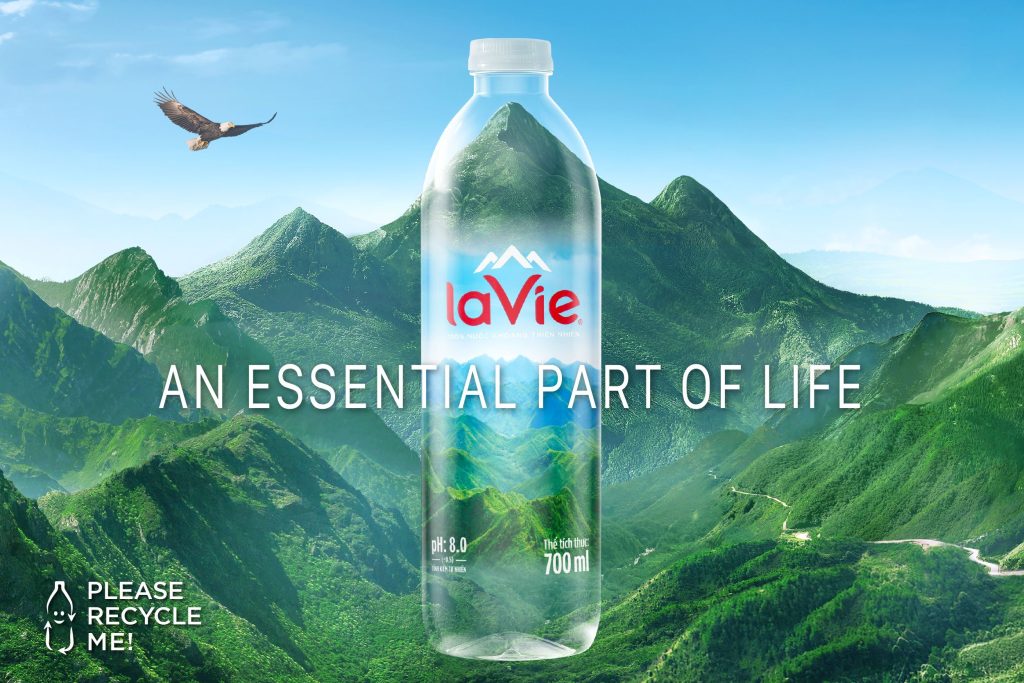
- Lavie
- Aquafina
- Dasani
- Evian
Always check that the bottle is sealed and undamaged before purchase. Avoid refilled bottles from unknown vendors.
Practical Water Safety Tips for Travelers in Vietnam
- Choose sealed bottled drinks or canned beverages in restaurants.
- Carry a small alcohol-based hand sanitizer — public restrooms may lack soap or clean water.
- Use bottled or filtered water for brushing teeth or rinsing your mouth.
- For washing contact lenses or minor injuries, use bottled water to reduce the risk of infection.
- If staying long-term, consider installing a home water filter or use refillable 19L purified water bottles.
Eco-Friendly Alternatives
To reduce plastic waste, consider using a reusable water bottle with a built-in filter such as LifeStraw or Grayl. Many eco-cafés and hotels across Vietnam now offer free water refill stations for travelers — just ask the staff.
Final Thoughts
Vietnam’s tap water is not suitable for drinking, but with a few precautions, it’s easy to stay safe and hydrated during your trip. Drink bottled or filtered water, be cautious with ice in rural areas, and always ensure your water source is clean and sealed. Following these simple steps will keep you healthy and ready to enjoy every moment of your Vietnamese adventure.
If you’re planning your first trip to Vietnam and want reliable travel advice, Chapi Tours offers authentic and safe travel experiences — from guided city tours to countryside adventures. Contact us for personalized travel assistance today!

