

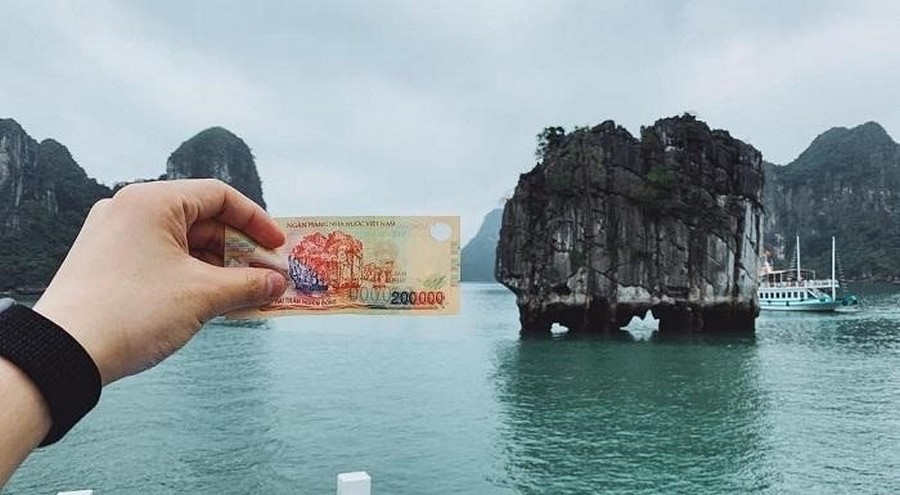
Vietnamese Money Guide: Currency, Exchange, Tipping & ATM Advice for Travelers
Understanding how money works in Vietnam is essential for a smooth and stress-free trip. From colorful banknotes to local tipping customs, this guide will help you handle Vietnamese Dong confidently — so you can focus on enjoying your journey instead of worrying about payments or exchange rates.
1. Understanding Vietnamese Currency (VND)
The official currency of Vietnam is the Vietnamese Dong (VND) — often shown as “₫”, “đ”, or simply “VND”.
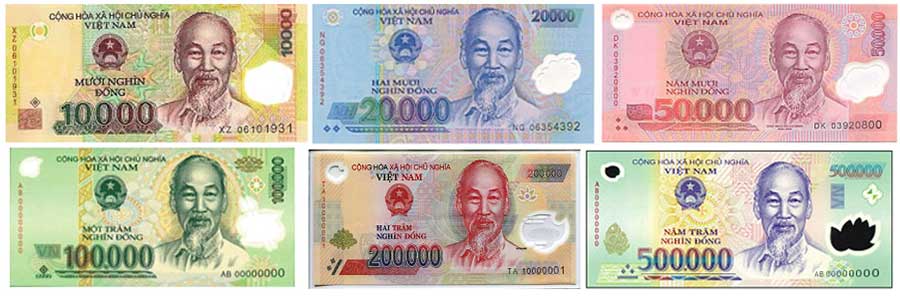
Currently, Vietnamese banknotes come in these denominations:
500₫, 1,000₫, 2,000₫, 5,000₫, 10,000₫, 20,000₫, 50,000₫, 100,000₫, 200,000₫, and 500,000₫.
Coins are no longer in circulation.
💡 Tip: Because of the many zeros on the bills, it’s easy to confuse 10,000₫ with 100,000₫ or 500,000₫. Always double-check before paying — especially in markets or taxis.
Quick Currency Reference (approximate):
| Vietnamese Dong | US Dollar | Euro | Pound |
|---|---|---|---|
| 10,000₫ | $0.43 | €0.38 | £0.33 |
| 200,000₫ | $8.56 | €7.57 | £6.74 |
| 500,000₫ | $21.41 | €18.92 | £18.84 |
| 1,000,000₫ | $42.80 | €37.82 | £33.67 |
2. Withdrawing Cash in Vietnam
ATMs are widely available across Vietnam — from major cities like Hanoi, Hoi An, and Ho Chi Minh City to smaller towns and tourist destinations.
- Most machines accept Visa, MasterCard, and Maestro cards.
- Withdrawal fee: usually 25,000₫–50,000₫ per transaction (around $1–$2).
- Withdrawal limit: varies by bank.
- Most banks: up to 2,000,000₫ (~$75)
- Agribank: up to 6,000,000₫ (~$230)
- Commonwealth Bank: up to 10,000,000₫ (~$380)
💡 Tip: Bring a debit or travel card with low international fees. Withdraw larger amounts at once to minimize transaction costs.
3. Paying by Credit Card
Credit cards are increasingly accepted in large cities, hotels, high-end restaurants, and travel agencies, but you’ll still need cash for local markets, small eateries, and countryside areas.
- Accepted cards: Visa, MasterCard, and sometimes JCB or American Express.
- Service charge: Some places add a 2–3% transaction fee.
💡 Advice: Always ask before paying by card to avoid surprises. Keep small denominations for daily spending, taxis, and street food.
4. Using Foreign Currencies (USD, EUR, GBP)
While Vietnam Dong is the official currency, US Dollars (USD) are accepted in some hotels, travel agencies, and tourist shops.
- Euros and Pounds are rarely accepted for direct payment.
- It’s recommended to carry a small amount of USD for emergencies — especially if paying for your Vietnam visa on arrival, which must be settled in US dollars.
- Exchanging other currencies locally can incur unfavorable rates, so convert only what you need.
5. Exchanging Money in Vietnam
You can exchange major currencies easily throughout the country. However, exchange rates vary widely, so it pays to be selective.
- Avoid exchanging money at airports or banks — rates tend to be lower.
- Best rates: typically found at independent money changers or gold/jewelry shops in popular areas:
- Old Quarter, Hanoi
- Ben Thanh Market area, Ho Chi Minh City
💡 Pro Tip: Use online tools (like Google or XE Currency) to check the current exchange rate before exchanging. Always count your cash carefully on the spot.
6. Tipping Etiquette in Vietnam
Tipping is not mandatory in Vietnam, but it is always appreciated — especially in the tourism and service sectors.
Here’s a simple guide:
- Restaurants: Round up the bill or leave 5–10% at nicer places.
- Tour guides: $3–$5 per day is appreciated for good service.
- Drivers: $1–$2 for shorter trips; $3–$5 for full-day tours.
- Hotel staff: $1–$2 for bellboys or housekeeping.
💡 Why tip? Many locals earn modest salaries (around $150–$250/month), so small tips make a big difference — and show your appreciation for good service.
7. Traveler Tips & Money Safety Advice
✅ Bring both cash and cards: Some areas have unreliable ATMs or power cuts.
✅ Use a currency converter app: It helps you avoid confusion with all the zeros.
✅ Keep smaller bills handy: Large notes (200,000₫ or 500,000₫) are often hard to break at local shops.
✅ Avoid black market exchange: Stick to official money changers or reputable jewelry shops.
✅ Be cautious of pickpockets: Especially in crowded tourist areas like Hoan Kiem Lake or Ben Thanh Market.
✅ Store cash separately: Keep small notes in your pocket and larger bills in a money belt or hotel safe.
Final Advice
Vietnam remains a cash-friendly country, where even small transactions often happen with Dong notes. While credit cards and ATMs are convenient, understanding local currency will help you travel smarter, avoid scams, and enjoy the best value during your stay.
Whether you’re shopping in Hanoi’s Old Quarter, grabbing street food in Hue, or booking a Ha Long Bay cruise, being money-savvy ensures you make the most of your Vietnam experience.

