

Malaria in Vietnam: What Travellers Should Know
If you’re planning to travel to Vietnam, one of the important health topics to check is malaria risk. Understanding which areas carry risk, what to do to protect yourself, and whether you need anti-malaria tablets can make your trip safer and more comfortable.
Where is malaria a risk in Vietnam?
According to sources, malaria transmission in Vietnam is concentrated in certain rural, forested or high-risk zones, especially in the central highlands and border regions.
- The World Health Organization (WHO) states that malaria in Vietnam is “concentrated in hilly, forested areas in southern and central highland provinces”. who.int
- Other travel health sources note that major cities and coastal tourist zones (e.g., Hanoi, Ho Chi Minh City, the Red River and Mekong deltas) carry a very low risk of malaria. fitfortravel.nhs.uk+1
- Risk areas include provinces such as Dak Lak, Dak Nong, Gia Lai, Kon Tum, and Binh Phuoc, particularly in rural borderlands. tripprep.com
- According to the UK “Fit for Travel” map, risk is low to minimal in the most frequented tourist zones. fitfortravel.nhs.uk
Why this matters to you
Even if you are staying in major cities or coastal resorts, knowing about malaria risk helps you decide on precautions: insect-bite avoidance, whether to take malaria prophylaxis (tablets), how long you will stay, and whether you will venture off the beaten track into remote areas.
🗺️ Malaria Map of Vietnam
Below is a simplified view of how malaria risk is distributed across Vietnam:
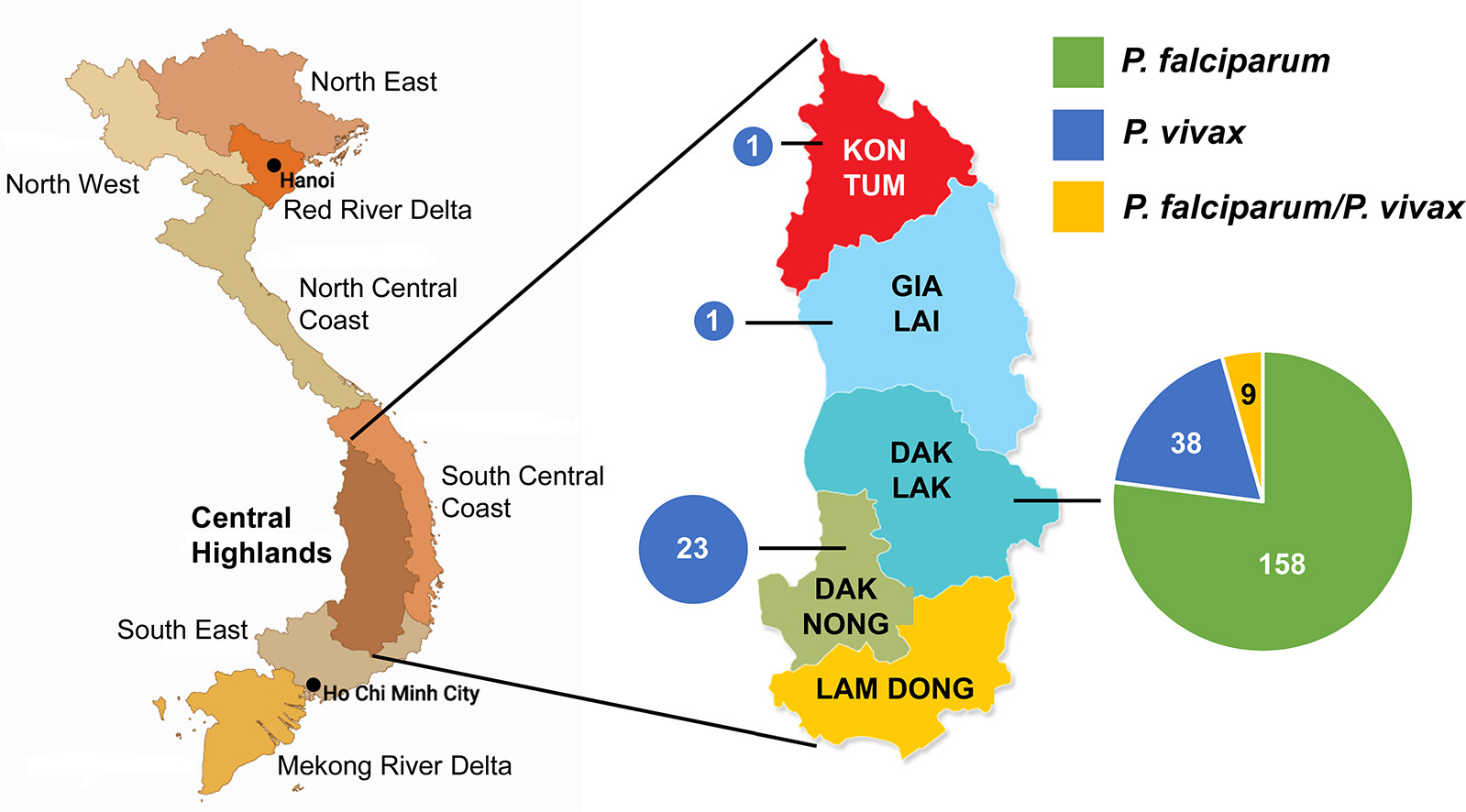
Key points from the map:
- Urban centres like Hanoi and Ho Chi Minh City show no or very low risk.
- Coastal plains, major tourist routes and deltas typically have minimal risk.
- Rural, forested and mountainous areas—especially in the Central Highlands and near border provinces—carry higher risk.
- Seasonal variations: some regions may experience increased transmission in specific months (such as December to February) according to WHO. who.int
✅ What to Do to Protect Yourself
1. Insect bite prevention
- Use an effective insect repellent (choose one with DEET or other recommended active ingredient).
- Wear long-sleeved shirts, long trousers, especially during evening and night.
- Sleep under a mosquito net if in rural or high-risk areas.
- Stay in accommodation with screens, air-conditioning or fans to reduce mosquito exposure.
2. Malaria tablets / prophylaxis
- If you plan to travel to high-risk rural zones (highlands, border forests) you should speak to your doctor about malaria tablets. Travel health advisories recommend this for some provinces. tripprep.com+1
- If you are staying only in well-touristed coastal or city areas, anti-malarial tablets may not always be recommended; but bite avoidance remains essential.
- Ensure you carry enough medication for the full duration, including after you leave the region if required. wwwnc.cdc.gov
3. Be alert for symptoms
If you spend time in a malaria-risk zone, watch out for fever, chills, flu-like symptoms during or after your trip. Seek medical attention promptly (within 24 hours of symptom onset) if you suspect malaria.
4. Other mosquito-borne illnesses
While malaria is one concern, Vietnamese mosquitoes also carry Dengue fever and Zika virus. Dengue occurs more often in urban and peri-urban areas; Zika risk is lower but still present. cdc.gov+1
🎒 Travel Tips Checklist: Malaria & Mosquito Protection
- Pack a good insect repellent (DEET or equivalent)
- Bring long-sleeved clothes and long trousers for evenings/outdoors
- If staying in remote zones: bring a mosquito net or ensure room has one
- Check with your doctor about malaria prophylaxis if visiting high-risk areas
- Keep accommodation mosquito-secure (screens, AC, busy areas)
- Avoid still water and stagnant pools where mosquitoes breed
- If you get a fever after travel: inform the doctor about your travel history and ask for malaria test
🧭 Final Thoughts: Malaria in Vietnam & Your Travel Plan
Vietnam remains a very safe destination for most tourists, especially those staying in major cities, coastal resort regions, and travelling along the popular routes. The malaria risk is low in these areas, but higher in rural, forested highlands and border provinces. By assessing your itinerary, staying aware, and using recommended protection, you can focus on enjoying your trip rather than worrying about health risks.
Before departure, speak with your travel health provider, show them your itinerary, get up-to-date advice for malaria and mosquito borne illnesses, and ensure you are prepared. With good preparation, your Vietnam adventure can be both thrilling and safe.

