
Food Safety in Vietnam: A Traveler’s Safe Eating Guide
Stay Healthy While Tasting Vietnam’s World-Famous Cuisine
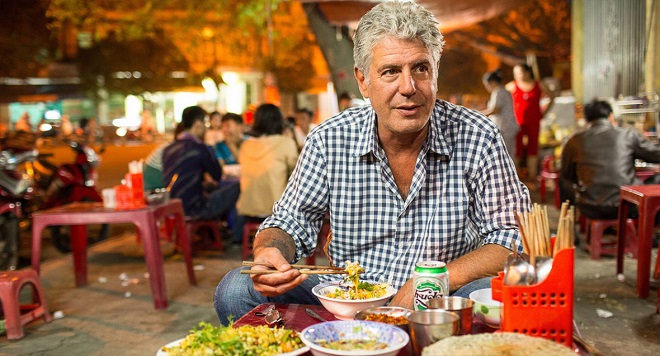
Vietnam’s vibrant street food culture is one of the greatest joys of traveling here. From steaming bowls of phở to crispy bánh mì, the country’s cuisine is bold, diverse, and unforgettable. However, to make the most of your culinary adventure without stomach troubles, it’s important to understand a few food safety tips.
🍜 Essential Food Safety Tips for Travelers in Vietnam
- Check online reviews – Look up recent feedback on Google Maps or TripAdvisor to ensure cleanliness and freshness.
- Avoid large menus – Smaller, focused restaurants usually prepare food fresh daily.
- Eat where locals eat – Busy stalls mean high turnover and fresh ingredients.
- Observe hygiene – Check for clean cooking areas and covered ingredients.
- Choose hot, cooked food – Heat kills bacteria. Avoid raw or undercooked seafood and meat.
- Wash fruits and vegetables – Use bottled or filtered water, or peel them before eating.
- Maintain personal hygiene – Wash hands or use sanitizer before eating.
- Trust your instincts – If it looks or smells off, skip it.
- Ask locals for recommendations – Your hotel, guide, or Chapi Tours can suggest clean and tasty eateries.
- Bring medicine for travelers’ diarrhea – Pack rehydration salts, Imodium, or activated charcoal.
🥢 Join a Food Tour for Safe & Authentic Experiences
If you’re unsure where to eat, join a local food tour in Vietnam. Guided by experts, you’ll visit safe, reputable street vendors and hidden gems, all while learning about Vietnam’s rich food culture. Check out Chapi Tours’ food experiences for small-group and private tours in Hanoi, Hue, and Hoi An.
💧 Safe Drinking Water Practices
- Stick to bottled or filtered water and check seals before buying.
- Avoid tap water for drinking or brushing teeth.
- Be careful with ice unless you’re sure it’s from purified water.
- Wash or peel fruit before eating.
For more details, see our article on tap water safety in Vietnam.
🚑 Traveler’s Diarrhea: What It Is and How to Manage It
- Stay hydrated with bottled water or electrolyte drinks.
- Rest to help your body recover.
- Avoid heavy or spicy food until symptoms pass.
- Use medication like Imodium or Smecta if needed.
- Seek medical help if symptoms persist. International clinics in Hanoi, Da Nang, and Ho Chi Minh City have English-speaking doctors.
🧳 Final Advice from Chapi Tours
Vietnam’s cuisine is among the most delicious in the world — and with a little preparation, you can enjoy it safely. Eat hot, fresh, and local, wash hands often, drink bottled water, and bring basic medicines. When in doubt, ask locals or your guide — they always know the safest and tastiest spots!
Chapi Tours is here to help you explore Vietnam’s incredible food culture with safety and confidence.

