

Road Safety & Traffic Rules in Vietnam: What Every Traveler Should Know
Keywords: road safety in Vietnam, traffic rules in Vietnam, crossing the street in Vietnam, driving motorbike Vietnam, Vietnam travel safety tips, GrabBike Vietnam, XanhSM, local driver tour Vietnam
Understanding Road Safety in Vietnam
When visiting Vietnam, one of the first things travelers notice is the chaotic yet fascinating traffic — countless motorbikes weaving around cars, pedestrians, and even street vendors. While it may look overwhelming, traffic in Vietnam follows its own rhythm. Understanding the local traffic rules and knowing how to move safely will help you enjoy your trip without stress.
Whether you’re exploring Hanoi’s Old Quarter, cruising through Ho Chi Minh City, or taking a countryside ride, knowing about road safety in Vietnam is essential for every traveler.
🚘 Traffic Rules in Vietnam
Traffic in Vietnam might seem wild at first glance, but there are rules — and following them is key to staying safe:
- Speed limits:
- Motorbikes: Maximum 40 km/h in cities, 60 km/h on highways or rural roads.
- Drive on the right side: Always stay to the right, especially when turning or merging into traffic.
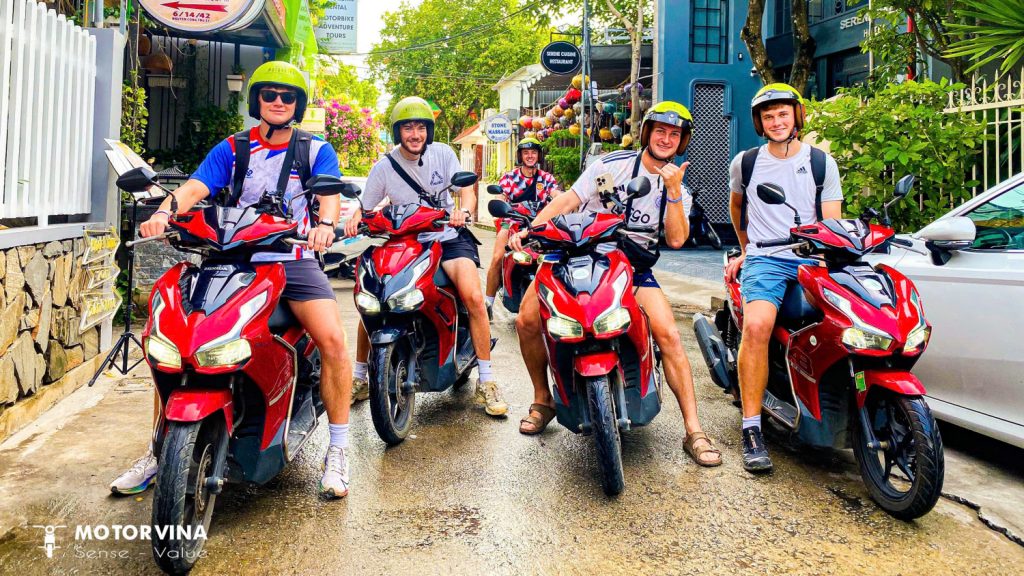
- Wear a helmet: It’s mandatory for all riders and passengers on motorbikes. Make sure it’s a good-quality helmet, not just a thin plastic cap.
- Zero alcohol tolerance: Even one drink can lead to fines or accidents — never drive after drinking.
- No phone use while driving: Using your phone while on the road is illegal and extremely dangerous.
- Limit passengers: Two people maximum on a motorbike.
- Motorbike license: If renting a bike over 50cc, you’ll need a valid motorcycle license and an International Driving Permit (IDP).
🚶♀️ How to Cross the Street in Vietnam
Crossing the road in Vietnam is an adventure in itself! But don’t worry — there’s a method to the madness:
- Walk slowly and steadily: Keep a consistent pace so drivers can anticipate your movement.
- Do not run or stop suddenly.
- Make eye contact with approaching drivers to ensure they see you.
- Raise your hand slightly as a signal when crossing busy streets.
- Use pedestrian crossings or traffic lights when available.
- Follow the locals: If in doubt, cross alongside local pedestrians — they know the rhythm of the road.
- Be extra cautious at night: Wear something reflective or use your phone flashlight.
Remember: vehicles will move around you — so your goal is to be predictable, not to wait for an empty road (which might never come!).
🛵 Road Safety Challenges in Vietnam
Vietnam’s roads are shared by motorbikes, cars, buses, bicycles, cyclos, and even livestock, particularly in rural areas. The traffic is dense, rules are often loosely followed, and police enforcement can be minimal.
In big cities, sidewalks may be uneven or crowded with parked bikes, and vehicles sometimes use sidewalks to avoid traffic. In rural regions, poor road conditions such as potholes and gravel can also pose risks.
That’s why awareness and patience are key to staying safe while traveling in Vietnam.
🚴♂️ Safe Alternatives to Driving Yourself
If you’re tempted to explore Vietnam on two wheels, think carefully before renting a motorbike unless you’re an experienced rider with the right license and insurance. The traffic flow, road conditions, and local habits can be very different from what you’re used to.
Instead, consider these safer and more convenient alternatives:
- ✅ GrabBike or GrabCar:
Vietnam’s most popular ride-hailing app. Safe, affordable, and available in most major cities. Simply download the Grab app and book a motorbike or car with just a few taps. - ✅ XanhSM (VinFast Green Taxi):
An eco-friendly electric taxi service available in cities like Hanoi, Hue, and HCMC — a great choice for sustainable travel. - ✅ Book a local driver tour:
Many travelers find it more relaxing to hire a local driver or join a guided tour. Not only is it safer, but you’ll also gain local insights, scenic stops, and stress-free transportation. For example, Chapi Tours offers private day tours with experienced local drivers — ideal for those who want to enjoy the journey without worrying about the traffic.
🧭 Tips to Stay Safe on the Road in Vietnam
- Always wear a seatbelt in cars when available.
- Keep your belongings secure when riding motorbikes or cyclos.
- Avoid night buses if possible — many drive fast and can be risky.
- Stick with reputable transport companies or book through reliable tour operators.
- Stay alert — avoid using your phone or headphones while walking or biking.
- Check your travel insurance covers road accidents and medical expenses.
🚂 Safer & Scenic Travel Alternatives
If you prefer a more relaxed journey, train travel in Vietnam is a beautiful and safe way to explore the country. The famous Reunification Express runs between Hanoi and Ho Chi Minh City, offering scenic coastal views and a slower, comfortable pace.
🧳 Travel Smart, Travel Safe
While traffic in Vietnam may seem chaotic, it’s part of the country’s charm — a living flow of movement that somehow works. By staying alert, following the rules, and choosing safe transport options like GrabBike, XanhSM, or tours with local drivers, you can explore Vietnam with confidence and ease.
Explore Vietnam with Local Experts
Looking for safe and authentic ways to travel in Vietnam? Chapi Tours offers private and small group tours, local driver services, and customized itineraries designed for international travelers. Whether you want to explore Hanoi’s hidden alleys, cruise through Ha Long Bay, or journey from north to south — we’ll make your trip safe, comfortable, and unforgettable.

